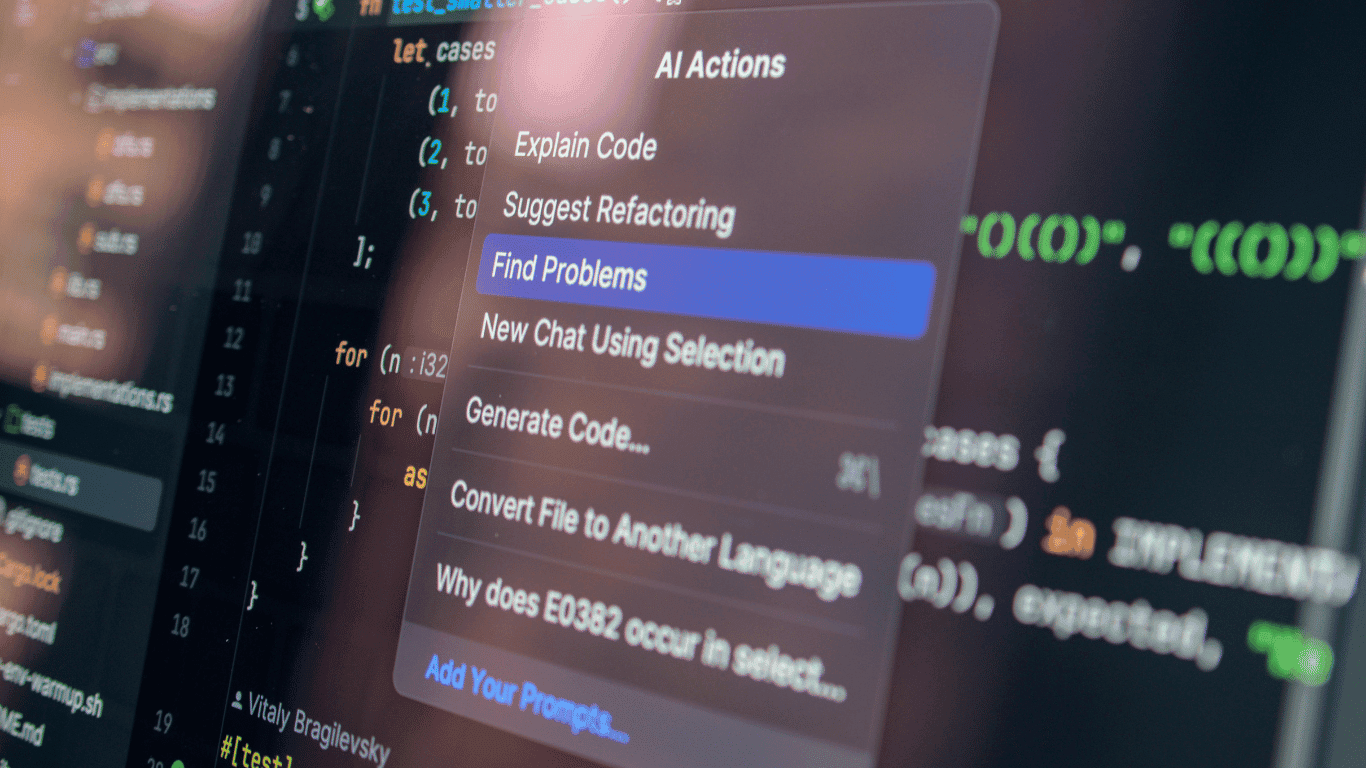

Codebase as Context: The Strongest Prompt
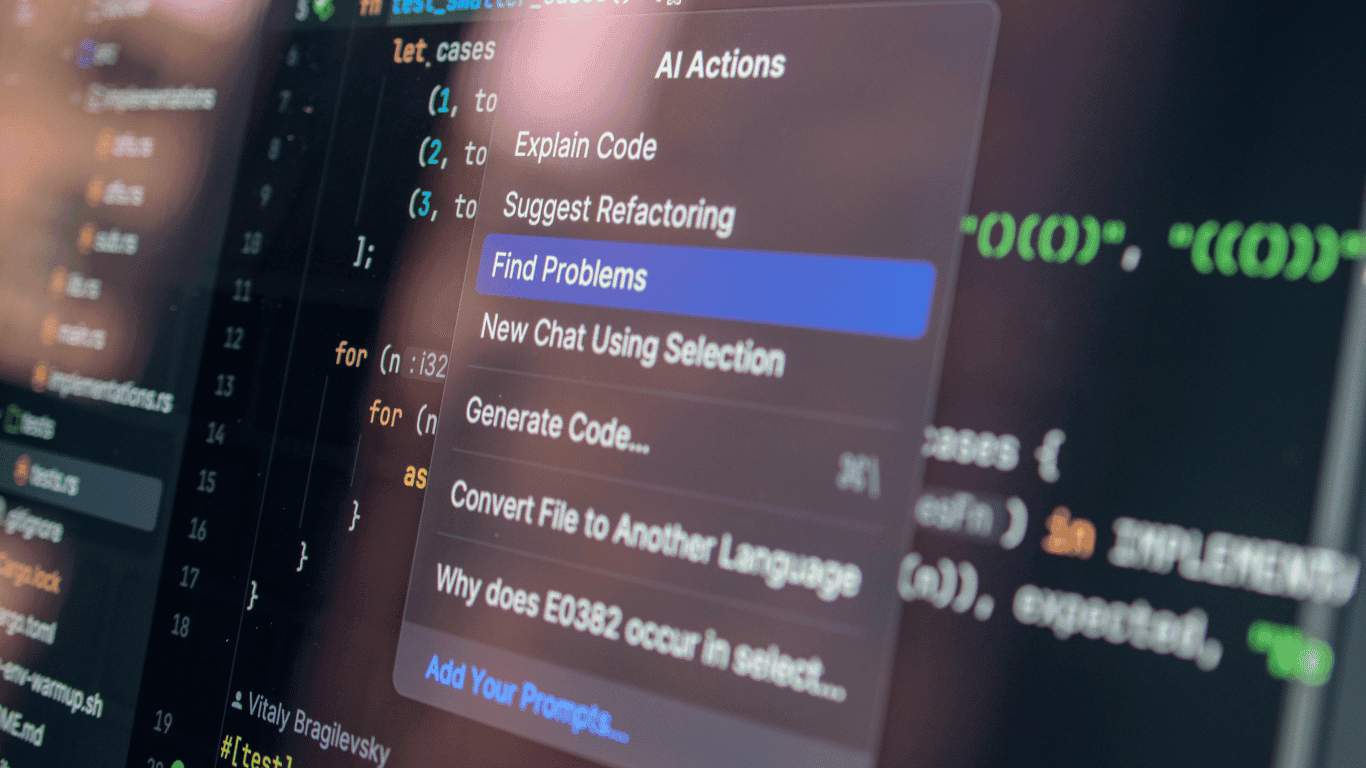
The strongest prompt is not a clever sentence. It is the codebase the model can already read. Real files, real routes, and real naming do more than any instruction.
Short posts about product packaging, AI workflows, build decisions, and experiments behind inmydraft.

The strongest prompt is not a clever sentence. It is the codebase the model can already read. Real files, real routes, and real naming do more than any instruction.

The best prompts are not the cleverest ones — they are the clearest. A short walkthrough of what actually makes AI output land on the first try.

InMyCitizen organizes public services around the resident's task, not the agency's chart, so that what a person needs comes first and the agencies connect behind the scenes.

InMySignal helps teams separate meaningful signals from noise so attention goes to the small number of inputs that should actually drive a decision.

InMySocial rethinks the social experience around small, intentional groups and conversations instead of infinite public feeds and engagement-ranked timelines.

InMyLearning is built around the idea that understanding comes from structured practice and reflection, not from scrolling endless lessons.

InMyCompany brings people, money, and paperwork into one connected workspace so a small business can run its core operations without scattered spreadsheets and chat threads.

Agent frameworks are converging on a small set of primitives: tools, loops, and shared state. The interesting question is what gets standardized next.

There are many strong models in 2026. But the ones I reach for daily are not the strongest on benchmarks. They are the ones that fit the shape of my work.

Agents are powerful but not always the right tool. The question is not whether a task can be automated, but whether the loop of decide, act, and verify is cheap enough.

Editing many files in one pass changed how I plan features. The shape of a change matters more than the size of any single file inside it.

Working draft projects give AI stronger context than blank repositories, improving prompt quality, code continuation, and real-world training workflows from the first pass.

Existing structure, copy, and UI direction reduce repetitive prompting, making AI development more token efficient and cutting wasted setup time in long sessions.

Learning moves faster when builders can inspect real project patterns inside a working base instead of reconstructing everything from snippets or empty setup files.

Starting from zero may look clean, but it slows AI-assisted product work when there is no grounded baseline for scope, architecture, or visual direction.

A live demo is more than presentation material. In the right draft, it becomes a training surface for AI prompting, debugging, review, and faster continuation.